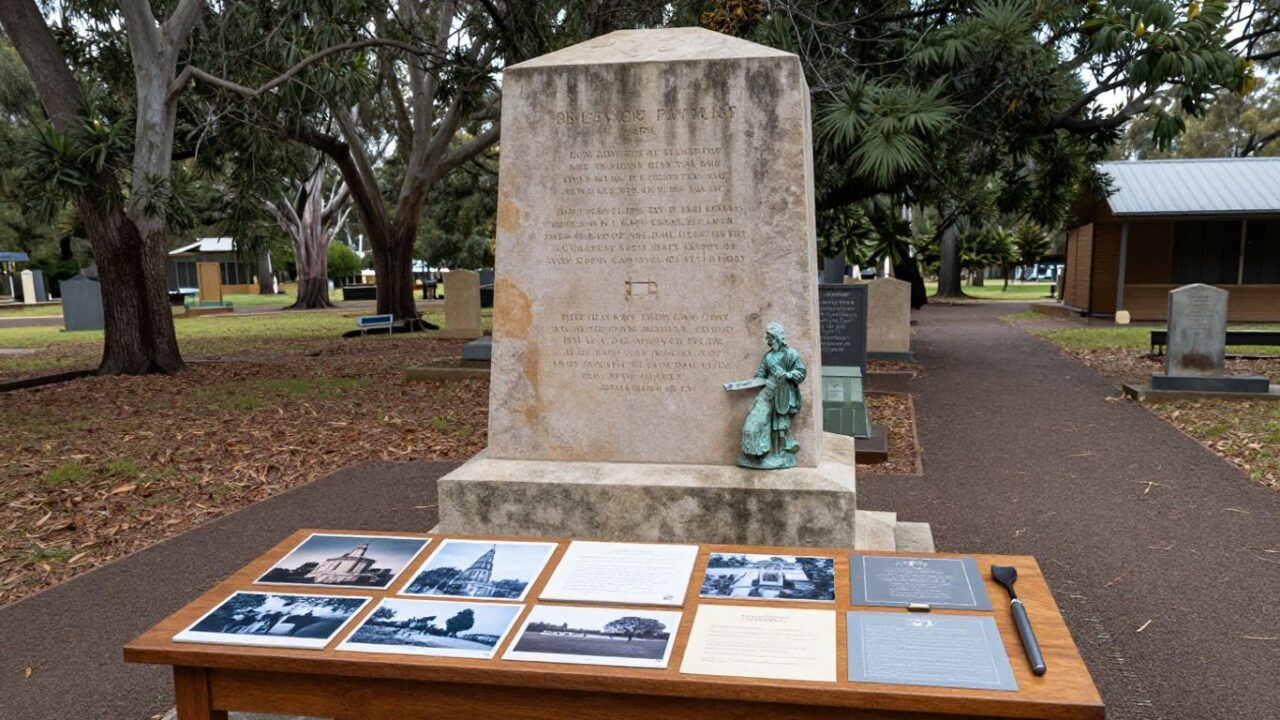
Understanding the value and scope of memorial preservation
A memorial can be a headstone, a regimental colour, a museum object, a plaque, or a place where people gather to remember. Preserving it means caring for the physical object while also protecting the names, stories, and context connected with it. This memorial preservation guide treats remembrance as both a practical responsibility and a continuing act of respect.
Defining physical, historical, and digital memorials
Physical memorials include monuments, statues, honour boards, graves, gardens, buildings, uniforms, medals, and other objects made or kept to commemorate people or events. Historical memorials also include records that explain their origins, such as service files, letters, photographs, newspaper reports, museum catalogues, and ceremony programmes. Digital memorials may consist of scanned documents, recorded interviews, online collections, or carefully organised family archives.
These forms support one another. A weathered inscription may identify a person, while a photograph, family letter, or museum record can add the detail that makes the name understandable to later generations. We should preserve the object and the evidence around it rather than treating either as complete on its own.
Identifying what makes a memorial significant
Significance is not measured only by size, age, cost, or public fame. A modest village honour board may hold deep meaning because it records local service, while an apparently ordinary photograph may be the only surviving image of a particular unit or family. We can consider its historical associations, rarity, craftsmanship, community meaning, condition, and connection to living descendants.
The setting matters as well. A memorial’s position beside a station, church, parade ground, cemetery, or former factory may explain why it was created there. Recording that setting helps us avoid reducing a complex history to a name and a date.
Balancing preservation with ongoing remembrance
Preservation should not turn a memorial into an untouchable object that people can no longer visit or understand. Ceremonies, guided walks, school projects, museum displays, and quiet acts of family remembrance can keep its purpose alive. At the same time, regular use should be planned so that crowds, candles, flowers, handling, or temporary displays do not harm fragile materials.
We can set simple boundaries around access while keeping the memorial welcoming. Clear information, suitable paths, supervised handling, and respectful photography often protect an object without separating it from the community that values it.
A memorial remains meaningful when care for its material form and care for its human meaning proceed together.
That principle gives us a useful test for difficult choices. If a proposed activity supports understanding but risks damage, we can adapt the activity rather than abandoning either remembrance or preservation.
Setting realistic preservation goals and priorities
Not every memorial can receive the same level of treatment at once. We may begin by stabilising an unsafe structure, recording an inscription before it fades, or securing unique documents before considering cosmetic improvements. Clear priorities protect limited resources and make it easier to explain decisions to families, volunteers, museums, and local groups.
A practical goal might be to complete a condition record, arrange professional advice, create a secure digital copy, and establish an annual inspection. These steps are modest, but together they create a foundation for more ambitious conservation work.
Assessing a memorial’s condition and preservation needs
Before cleaning, moving, repainting, or repairing a memorial, we need to understand what is already there. A careful assessment separates harmless ageing from active deterioration and identifies risks that may not be visible at first glance. We should record observations without making assumptions about the original materials or construction.
Documenting the memorial’s current state
Begin with wide photographs showing the memorial in its setting, followed by closer images of each face, inscription, joint, base, fitting, and damaged area. Record the date, weather, location, orientation, materials if known, and any recent work or incidents. A written description should note stains, cracks, movement, missing pieces, surface loss, biological growth, and changes in legibility.
We should avoid altering the object while documenting it. Do not scrub a surface to make an inscription clearer before it has been photographed, and do not lift an item from a grave, plinth, or collection without proper authority. A baseline record allows later changes to be measured rather than guessed.
Recognizing common signs of deterioration
Stone may show cracking, flaking, powdering, open joints, staining, or loss of carved detail. Metal can corrode, blister, distort, or become loose from its fixings, while timber may split, soften, warp, or show signs of insect activity. Ceramic surfaces can chip or detach, and painted finishes may craze, peel, or fade.
Not every mark indicates immediate danger. Some changes are historic and stable, whereas fresh debris, widening cracks, damp patches, leaning, or newly detached fragments suggest an active problem. We should photograph and describe the change before attempting to correct it.
Evaluating environmental and structural risks
Water is a common source of trouble because it enters cracks, freezes and expands in some environments, carries salts through porous materials, and encourages biological growth. Overhanging trees, poor drainage, sprinklers, coastal air, traffic pollution, extreme heat, and repeated wetting can all accelerate deterioration. Vibration, unstable ground, vehicle impact, and poorly designed fixings create additional structural risks.
A risk review should look beyond the memorial itself. We can inspect nearby gutters, paths, irrigation lines, roots, fences, lighting, and storage conditions. Small changes to drainage or vegetation may prevent more intrusive intervention later.
Determining when professional assessment is necessary
Professional advice is appropriate when a memorial is unstable, structurally cracked, heavily corroded, unusually valuable, made from uncertain materials, or likely to be affected by proposed repairs. It is also sensible when inscriptions are being treated, fragments need reattachment, or an object must be moved. A conservator, structural specialist, cemetery authority, museum professional, or relevant tradesperson may each address a different part of the problem.
We can prepare for an assessment by gathering photographs, previous reports, ownership details, known history, and a list of concerns. That information helps the specialist understand the memorial before recommending treatment and reduces the temptation to commission unnecessary work.
Creating a preservation plan and budget
A preservation plan turns concern into a sequence of manageable actions. It should explain what is being protected, why it matters, who is responsible, what risks exist, and how decisions will be reviewed. The plan can remain simple, provided it is written down and shared with the people who will carry it out.
Establishing priorities based on urgency and significance
Urgency and significance do not always point to the same task. A highly significant object may be stable, while a less elaborate marker may be at immediate risk of collapse or disappearing lettering. We can rank actions by the seriousness of the threat, the likelihood of further loss, the memorial’s meaning, and the resources available.
A short priority list keeps the work practical:
- Make unsafe areas inaccessible and address immediate hazards.
- Record rare, fading, or vulnerable information.
- Prevent water, vegetation, pests, or poor storage from causing further damage.
- Seek specialist advice before treatment or structural work.
- Plan routine care and review dates after urgent work is complete.
This order is not a substitute for professional judgement, but it gives families and committees a clear starting point. It also helps prevent cosmetic work from taking priority over stabilisation or documentation.
Choosing appropriate conservation methods
The least intrusive effective method is usually the safest starting point. That may mean improving drainage, adjusting storage, securing a loose fitting, reducing unnecessary handling, or carefully removing harmful growth rather than replacing original material. Treatments should be reversible where possible and should not conceal evidence of age or use without a strong reason.
We should distinguish conservation from restoration. Conservation aims to protect and stabilise what survives, while restoration may involve returning an object or setting to an earlier appearance. Neither approach is automatically right; the choice depends on evidence, significance, material, condition, and the memorial’s intended use.
Estimating maintenance, restoration, and documentation costs
A useful budget separates immediate protection, specialist assessment, treatment, recording, access, and future maintenance. We should allow for site visits, permits or authority requirements, safe access equipment, photography, archival storage, transport, and contingency costs where appropriate. Written quotations should explain the proposed method rather than offering only a broad description such as “clean and repair”.
Documentation deserves its own allocation. Good photographs, transcription, scanning, storage, and cataloguing may cost less than physical restoration, yet they preserve information that cannot be recreated once lost. We can phase the work so that a limited budget still produces meaningful progress.
Building a schedule for short-term and long-term care
The schedule should distinguish actions for the next few weeks from work planned over several years. Short-term tasks might include photographing the memorial, clearing an obstruction without touching the surface, placing a temporary barrier, or arranging advice. Longer-term tasks may include treatment, drainage improvements, collection management, interpretation, and recurring inspections.
Dates and responsibilities should be specific enough to be useful. Instead of writing “check regularly”, we can name the person or group responsible, state what they will look for, and record where the findings will be stored. A plan that can be followed is more valuable than an ambitious document that no one revisits.
Protecting physical memorials from damage
Physical care must match the material and the memorial’s history. A method that is harmless on one surface may permanently damage another, especially when the object is porous, painted, gilded, friable, or already weakened. We should treat cleaning and repair as conservation decisions, not ordinary household maintenance.
Cleaning stone, metal, wood, and ceramic surfaces safely
Before cleaning, identify the material, test a small inconspicuous area where appropriate, and record the condition. Gentle dry methods, clean water, soft tools, and controlled application may be suitable in some cases, but porous stone, old paint, corroded metal, timber, and glazed ceramic each require different judgement. Pressure washing, abrasive pads, aggressive scraping, and uncontrolled water can remove original surface or drive moisture into hidden cracks.
A conservator can advise whether soiling is harmful, historically meaningful, or best left alone. We should never assume that a brighter surface is a better-preserved surface, particularly where cleaning could erase tool marks, patina, paint, or fragile lettering.
Managing moisture, vegetation, weather, and pollution
Good drainage is often more protective than repeated cleaning. Keep downpipes, channels, and surrounding ground under observation, and prevent irrigation from soaking the memorial. Vegetation should be managed carefully so that roots, climbers, and moss do not pry into joints or retain moisture against the surface.
Shelter can help, but a new cover or sealant may also trap moisture or alter the appearance of a significant object. We should consider sun, wind, salt, smoke, dust, and temperature changes before adding barriers or coatings. The most effective response may be a small change to the surrounding environment rather than a product applied directly to the memorial.
Avoiding harmful products and do-it-yourself repairs
Household bleach, strong acids, metal polishes, cement patches, silicone, paint, and untested sealants can stain, abrade, trap moisture, or make later conservation harder. Glue, wire, nails, and replacement lettering may also cause damage when used without understanding the original construction. We should resist quick fixes, even when a repair appears visually tidy.
A safer approach is to photograph the problem, prevent further handling, and seek advice. If access is needed for safety, we can use a temporary barrier or sign rather than modifying the memorial while decisions are still being made.
Coordinating repairs with qualified conservators
When repair is justified, the brief should describe the memorial’s history, materials, condition, intended use, and known restrictions. We can ask the conservator to explain the treatment, likely risks, materials to be introduced, records that will be supplied, and future maintenance requirements. This keeps the work understandable to non-specialists and creates a useful record for later caretakers.
Repairs should be documented with photographs and written notes before, during, and after treatment. If a fragment is replaced or a surface is retouched, the record should make that distinction clear rather than allowing future viewers to mistake new work for original fabric.
Documenting and digitizing memorial records
Documentation preserves information that physical care alone cannot secure. It gives future researchers a way to understand the memorial if access changes, lettering fades, or an object is damaged. It also helps families connect a name or unit with the wider history surrounding it.
Photographing inscriptions, features, and surrounding sites
Use clear, well-lit photographs at several distances. Wide images establish the location, medium views show the full memorial, and close images capture names, dates, symbols, maker’s marks, fixings, damage, and details that may not be obvious later. Include a scale where it helps, but do not place anything against a fragile surface.
We should photograph the surrounding site as carefully as the object itself. Roads, buildings, trees, fences, parade spaces, cemetery layouts, and sightlines can reveal how the memorial was experienced and whether its setting has changed.
Recording names, dates, stories, and historical context
Transcribe inscriptions exactly, preserving spelling, punctuation, line breaks, abbreviations, and uncertain characters. Record what is known about the people, unit, organisation, event, maker, commissioning body, and dedication, while separating confirmed information from family recollection or interpretation. Dates should be written consistently, and sources should be identified wherever possible.
Context can include service history, local industry, migration, community life, or the circumstances in which a memorial was created. We should include difficult or incomplete parts of the story rather than smoothing them away, because honest records allow later generations to investigate further.
Organizing digital files and backup copies
A simple file structure is easier to maintain than a complicated one that only one person understands. Use descriptive filenames with the memorial name, location, subject, and date, then keep a separate catalogue containing captions, source details, permissions, and conservation notes. Store original files separately from edited copies.
Digital preservation also requires more than one copy. We can keep a working copy, a backup in another location, and a further copy held by a trusted organisation or family member, subject to privacy and access decisions. Check the files periodically rather than assuming that a drive or online account will remain available forever.
Preserving oral histories and family contributions
Interviews can capture pronunciation, personal memories, ceremony traditions, photographs, and explanations that formal records omit. Before recording, explain how the material will be used, ask permission, and agree whether names, contact details, or sensitive sections should be restricted. We should label recordings with the speaker, date, place, subjects discussed, and any access conditions.
Family contributions should be welcomed but assessed carefully. A copied photograph may be valuable even when its date is uncertain, and a remembered story may point to records worth checking. Keeping both the contribution and its source helps future researchers understand how the archive was assembled.
Maintaining a memorial for future generations
Long-term preservation depends on continuity more than on one successful project. People move, committees change, cemeteries are redeveloped, and digital accounts become inaccessible when a volunteer steps away. A durable arrangement makes responsibilities visible and gives the next caretaker enough information to continue without starting again.
Assigning responsibilities among families, organizations, or communities
Responsibility should be agreed in writing, even when the arrangement is informal. A family may manage personal records, a museum may hold digital copies, a community group may organise inspections, and a property or cemetery manager may control access and grounds maintenance. These roles should complement one another rather than leave everyone assuming that someone else is in charge.
Keep contact details, decision-making authority, emergency procedures, and record locations together. If the memorial has several interested groups, a named coordinator can make sure that concerns are shared and that work is not duplicated.
Creating an inspection and maintenance routine
Routine inspections work best when they follow the same sequence each time. Check the setting, drainage, vegetation, surface, inscriptions, fixings, stability, access, and signs of recent interference. Photograph any change from the baseline record and note conditions that may affect what was observed.
A basic routine might include a visual check after severe weather, a more complete review at an agreed interval, and an inspection before a major ceremony. The purpose is not to create unnecessary paperwork; it is to notice small changes while they are still manageable.
Reviewing legal, cemetery, and property requirements
Before moving, altering, photographing for publication, or repairing a memorial, we should confirm who owns or manages it and what permissions apply. Cemeteries, public land, museums, churches, defence sites, and private properties may have different rules for access, conservation, ceremonies, and recording. These requirements can change when a site changes hands.
We should keep copies of approvals, agreements, plans, and correspondence with the preservation record. When the position is uncertain, ask the responsible authority for written guidance rather than relying on an assumption passed down informally.
Updating the preservation plan as conditions change
A preservation plan should be treated as a living record. Update it after an inspection, treatment, relocation, new research, change of ownership, major weather event, or discovery of related documents. Record what was done, by whom, when, why, and what should happen next.
We can also review whether the memorial is still serving its community and whether its interpretation remains accurate and respectful. Regular review makes room for new evidence without discarding the physical object, the memories attached to it, or the care already invested.
Conclusion
Preserving a memorial asks us to care for materials, records, places, and people at the same time. By documenting condition, choosing measured treatment, protecting information, and sharing responsibility, we give future generations more than an object to look at: we give them a reliable way to understand and honour the lives and histories it carries.